|
|
Meeting
Room
|
|
7:00 am – 4:45 pm
|
Registration Table
|
SCW Lobby
(second floor)
|
|
7:30 am – 8:30 am
|
Breakfast
|
SCW Thompson Room
(second floor)
|
|
8:00 am – 8:25 am
|
CSCTR Membership Meeting
 Jennifer Alexander-Brett, MD, PhD Jennifer Alexander-Brett, MD, PhD
President, CSCTR
Past Chair, AFMR Midwestern Region
Associate Professor of Medicine
Washington University School of Medicine in St. Louis
|
SCW
Room 206
(second floor)
|
|
8:30 am – 8:40 am
|
Welcome and Opening Remarks
Jennifer Alexander-Brett, MD, PhD
President, CSCTR
Past Chair, AFMR Midwestern Region
Associate Professor of Medicine
Washington University School of Medicine in St. Louis
 Syed Bukhari, MD, MSc Syed Bukhari, MD, MSc
Chair, AFMR Midwestern Section
T32 Cardiology Fellow
Department of Cardiovascular Medicine
Johns Hopkins University
|
SCW Thompson Room
(second floor) |
|
8:45 am – 9:45 am
|
MWAFMR Career Development Workshop
Moderators:
Syed Bukhari, MD, MSc
Chair, AFMR Midwestern Section
T32 Cardiology Fellow
Department of Cardiovascular Medicine
Johns Hopkins University
 Alison Ha, PhD Alison Ha, PhD
University of Illinois Chicago
Speakers:
 Zanthia Wiley, MD Zanthia Wiley, MD
Department of Medicine
Associate Professor of Medicine
Division of Infectious Diseases
Emory University School of Medicine
Navigating the New Funding Reality: Strategies for Career Development in a Shifting Landscape
 Susan De Luca, MSW, PhD Susan De Luca, MSW, PhD
Population Health Research Institute
Associate Professor of Psychiatry
The MetroHealth System
School of Medicine | Associate Professor
Case Western Reserve University
Navigating Uncertainty: A Discussion for Early & Mid-Career Biomedical Scientists
The presentation explores the rapidly evolving landscape of federal research funding for biomedical scientists amid changing policies related to diversity, equity, and inclusion. Over the past several years, DEI considerations have become more prominent in federal grant programs, influencing proposal evaluation criteria, training requirements, and institutional expectations. These shifts have begun to reshape how federal agencies frame and implement these initiatives. This session will provide biomedical researchers with a practical overview of what these changes may mean for their funding strategies and research environments.
|
SCW Thompson Room
(second floor) |
|
9:45 am – 10:45 am
|
Health Equity Session
This workshop offers an honest, hopeful conversation for early‑career scientists and clinicians navigating a moment of profound uncertainty. Grounded in principles of community, shared leadership, and collective problem‑solving, the session will explore how leaders show up in times of change and provide support across institutions. Through a brief opening talk and a panel of diverse leaders, this session will highlight the importance of process over perfection, invite personal stories of how individuals are finding their way, and create space for reflection in small groups. The panel will focus on building resilience, staying connected, and leading with integrity when the path forward isn’t yet clear.
Moderator:
 Jerry A. Krishnan, MD, PhD Jerry A. Krishnan, MD, PhD
Past President, CSCTR
Associate Vice Chancellor for Population Health Sciences
Professor of Medicine and Public Health
Epidemiology and Biostatistics
University of Illinois Chicago
Speakers:
 Rinad S. Beidas, PhD Rinad S. Beidas, PhD
Chair and Ralph Seal Paffenbarger Professor of Medical Social Sciences
Northwestern University Feinberg School of Medicine
 Darius Tandon, PhD Darius Tandon, PhD
Professor and Director, Institute for Public Health and Medicine
Chief of Intervention Science in the Department of Medical Social Sciences
Northwestern University Feinberg School of Medicine
 Karriem S. Watson, DHSc, MS, MPH Karriem S. Watson, DHSc, MS, MPH
Chief Executive Officer
UI Health Mile Square Health Center
 Selwyn Olweston Rogers, Jr., MD, MPH, FACS Selwyn Olweston Rogers, Jr., MD, MPH, FACS
Chief of Trauma and Acute Care Surgery
Surgeon and Public Health Expert
Founding director of the University of Chicago Medicine Trauma Center
University of Chicago Medicine
 Elaine H. Morrato, DrPH, MPH, FISPE, CPH Elaine H. Morrato, DrPH, MPH, FISPE, CPH
Professor and Founding Dean of the Parkinson School of Health Sciences and Public Health
Loyola University Chicago
|
SCW Thompson Room
(second floor) |
|
10:45 am - 11:00 am
|
Break
|
SCW Lobby
(second floor)
|
|
11:00 am - 12:00 pm
|
Department Chair Session
My leadership Journey in Academic Medicine
This talk reflects on Dr. Ofotokun's leadership journey in academic medicine, highlighting the experiences, mentors, and pivotal moments that shaped his path from clinician-scientist to departmental leader. It examines how clinical care, research, and education intersect to inform leadership decisions and institutional strategy. The presentation also discusses key lessons learned about building teams, fostering scientific discovery, supporting trainees and faculty development, and navigating complex health systems. Ultimately, it emphasizes leadership as a collective effort grounded in service, collaboration, and a commitment to advancing patient care and academic excellence.
Moderator:
Jerry A. Krishnan, MD, PhD
Past President, CSCTR
Associate Vice Chancellor for Population Health Sciences
Professor of Medicine and Public Health
Epidemiology and Biostatistics
University of Illinois Chicago
Speaker:
 Igho Ofotokun, MD, MSc, FIDSA Igho Ofotokun, MD, MSc, FIDSA
Chair, Department of Medicine and Physician-in-Chief
University Hospitals
Case Western Reserve University
|
SCW Thompson Room
(second floor)
|
|
12:00 pm - 1:00 pm
|
Lunch
|
SCW Thompson Room
(second floor)
|
|
1:00 pm – 3:30 pm
|
Set up posters for Monday, April 13, 4:30 pm presentation
|
Nursing Event Center
(third floor)
|
|
1:00 pm – 1:30 pm
|
New Investigator Session
Moderator:
 Mark E. Schweitzer, MD, FACR, FRCP, FISMRM, FACCR Mark E. Schweitzer, MD, FACR, FRCP, FISMRM, FACCR
Editor in Chief, Journal of Investigative Medicine
Vice President for Health Affairs
Special Associate to the President
Provost for Public Health Planning
Wayne State University School of Medicine
Introduction of new Journal of Investigative Medicine editor Mark Schweitzer, MD
Outstanding Young Investigator
Presenter:
 Ryan A. Coute, DO Ryan A. Coute, DO
Assistant Professor of Emergency Medicine
University of Alabama at Birmingham
Automated External Defibrillator Availability, Accessibility, and Usability in High Risk Out-of-hospital Cardiac Arrest Neighborhoods of Birmingham, Alabama
This presentation will report findings from a descriptive observational analysis evaluating automated external defibrillator availability, accessibility, and usability in neighborhoods at highest risk for out-of-hospital cardiac arrest in Birmingham, Alabama.
|
SCW Thompson Room
(second floor)
|
|
1:30 pm - 3:00 pm
|
Dissemination and Implementation Science Session
Accelerating the Research-to-Practice Pipeline: Introduction to Hybrid Effectiveness-Implementation Trials
This session, led by a panel of implementation scientists, will provide an introduction to the concept of hybrid effectiveness-implementation trials as a means of accelerating the research-to-practice pipeline. Dennis Li, PhD, will first provide a rationale and overview of hybrid trial methodology. Next, Tara Mehta, PhD, Sarah Helseth, PhD, and Sara Becker, PhD, will present a series of three case examples demonstrating the three primary types of hybrid trials. The panel will conclude with pragmatic tips and resources for investigators seeking to employ this design in their work, followed by ample time for audience questions.
Speakers:
 Dennis H. Li, PhD, MPH Dennis H. Li, PhD, MPH
Assistant Professor
Psychiatry and Behavioral Sciences
Medical Social Sciences
Northwestern Medicine
 Tara G. Mehta, PhD Tara G. Mehta, PhD
Associate Professor of Clinical Psychology in Psychiatry
Institute for Juvenile Research
Department of Psychiatry
University of Illinois at Chicago
 Sarah A. Helseth, PhD Sarah A. Helseth, PhD
Assistant Professor
Northwestern University Feinberg School of Medicine
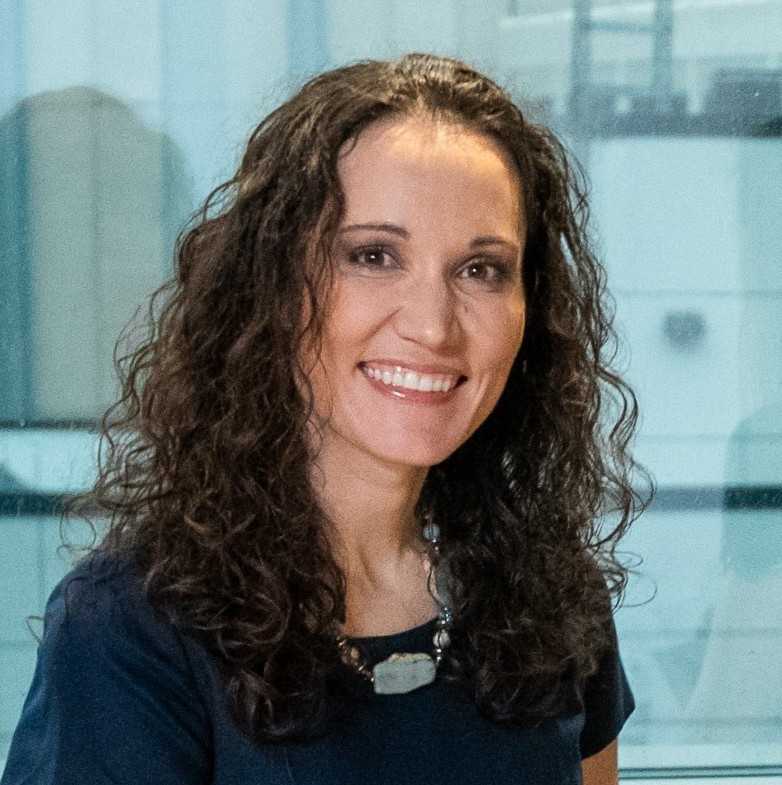 Sara J. Becker, PhD Sara J. Becker, PhD
Alice Hamilton, Professor of Psychiatry
Inaugural Director of the Center for Dissemination and Implementation
Northwestern University Feinberg School of Medicine
|
SCW Thompson Room
(second floor)
|
|
3:00 pm – 3:15 pm
|
Break
|
SCW Lobby
(second floor)
|
| |
*Concurrent Sessions:
|
|
|
*3:15 pm – 4:15 pm
|
Annual Max Miller Lecture in Diabetes Research
Molecular Basis for Fuel Selection
Organisms continually seek optimal fuel and adjust their need in response to environmental and internal changes. For example, under conditions of limited food availability or fasting, cells shift from using glucose to burning fat, while preserving glucose for the brain, a process known as fuel switching. This process is essential for survival and long-term metabolic health. Similarly, during chronic cold adaptation, brown adipose tissue (BAT) switches their fuel from glucose to fatty acids to maintain body temperature. In pathological conditions such as heart failure, the heart shifts its metabolism from fatty acid oxidation to glucose metabolism, highlighting the versatility of fuel utilization. How does each tissue decide what fuel to use? Dr. Kajimura will discuss his recent studies, indicating that mitochondria play a key role in fuel selection to meet cell-type-specific needs.
Moderator:
 Terry G. Unterman, MD Terry G. Unterman, MD
Past President, CSCTR
Professor of Medicine, Physiology, and Biophysics
University of Illinois Chicago
Speaker:
 Shingo Kajimura, PhD Shingo Kajimura, PhD
Professor of Medicine
Harvard Medical School
Beth Israel Deaconess Medical Center
Division of Endocrinology, Diabetes & Metabolism
|
SCW Room 206
(second floor)
|
| *3:15 pm – 4:15 pm |
Inflammation, Immunity, and Transplant
From Bench to Borderless Bedside: Stem Cell Transplantation and Immunity in a Global Context
Blood and Marrow Transplantation, or hematopoietic stem cell transplantation, is commonly utilized to cure multiple hematologic malignancies and acquired or congenital bone marrow failures, such as aplastic anemia or sickle cell disease. In 2011, the University of Illinois at Chicago GlobalBMT initiative was launched in the Division of Hematology/Oncology and the Center for Global Health to partner with hospitals treating patients with hematologic diseases in LMICs where BMT is highly needed, and patients cannot afford to travel to other countries to receive treatment. The training has had 21 trainees and is composed of: observership in the BMT inpatient unit and outpatient clinics, the Stem Cell Lab, the HLA lab, and the Blood Bank; 10 lectures from UIC faculty; and one-to-one sessions with the training director addressing plans related to each country. The partnership of UIC GlobalBMT with multiple institutions has resulted in: establishing the first BMT in Nepal and in Bolivia, a new center at Ramaiah Medical College in Bangalore, India; training and implementation of allogeneic BMT at the National Cancer Institute in Kyiv, Ukraine; haploidentical BMT in Havana, Cuba.
Moderators:
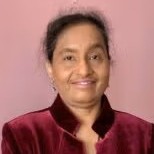 Suman Setty, MBBS, PhD Suman Setty, MBBS, PhD
Councilor, CSCTR
Professor of Pathology
University of Illinois Chicago
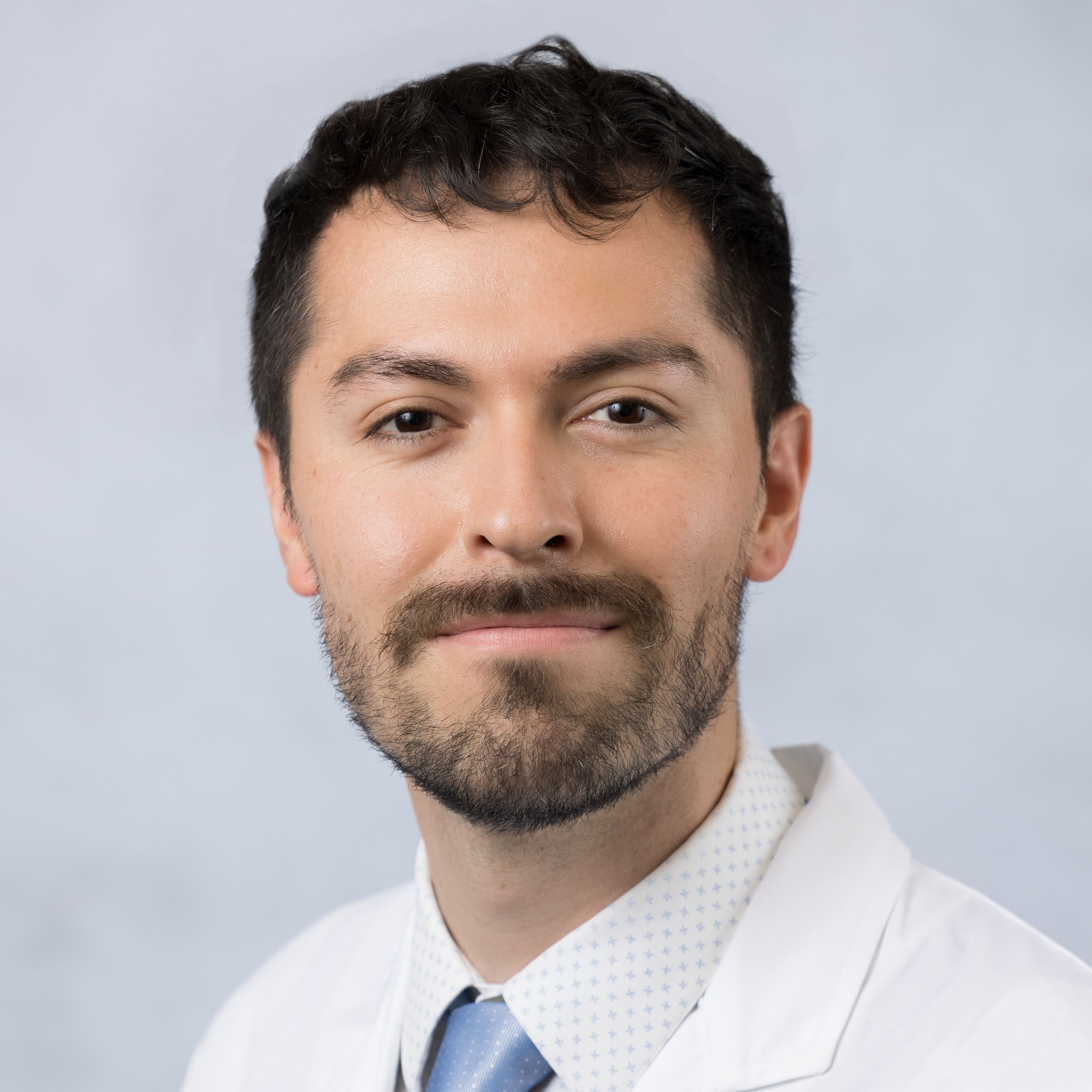 Juan Sigala Lozano, MD Juan Sigala Lozano, MD
Third Year Pathology Resident
University of Illinois Chicago
Speaker:
 Damiano Rondelli, MD Damiano Rondelli, MD
Michael Reese Professor of Hematology
Division Chief, Hematology/Oncology
Director of Blood & Marrow Transplant
University of Illinois at Chicago
|
SCW Thompson Room
(second floor)
|
|
4:15 pm - 4:30 pm
|
Break
|
SCW Lobby
(second floor)
|
|
4:30 pm – 6:15 pm
|
Moderated Poster Discussions and Opening Reception
Jennifer Alexander-Brett, MD, PhD
President, CSCTR
Past Chair, AFMR Midwestern Region
Associate Professor of Medicine
Washington University School of Medicine in St. Louis
Syed Bukhari, MD, MSc
Chair, AFMR Midwestern Section
T32 Cardiology Fellow
Department of Cardiovascular Medicine
Johns Hopkins University
Poster Research Categories
Click on a category to view abstracts.
Case Reports
T0 Research/Science
T1 Research/Science
T2 Research/Science
T3 Research/Science
T4 Research/Science
|
Nursing Event Center
(third floor)
|
|
6:15 pm
|
Dinner (on your own)
|
|
|
Meeting
Room
|
|
8:00 am – 3:15 pm
|
Registration Table
|
SCW Lobby
(second floor)
|
|
8:00 am – 9:00 am
|
Mentor and Attendee Breakfast
- Making Industry Connections: Getting a foot in the door
Mentor: Debbie Leah Buonomo, PharmD
- Making Industry Connections: Getting a foot in the door
Mentor: Stephen Liu, PharmD
- Demystifying Journal Operations: Where does my paper go when I hit submit?
Mentor: Mark E. Schweitzer, MD
- Implementation Science: Treatment works, now what?
Mentors: Sara J. Becker, PhD
- Implementation Science: Treatment works, now what?
Mentor: Tara G. Mehta, PhD
- Starting Your Own Program
Mentors: David J. Kennedy, PhD and Laneshia Tague, MD
- Academic Leadership Advancement
Mentor: Jennifer Alexander-Brett, MD, PhD
- Academic Leadership Advancement
Mentor: Syed Bukhari, MD, MSc
- Work Life Balance
Mentor: Steven Dudek, MD
|
SCW Thompson Room
(second floor)
|
| |
|
9:00 am - 9:15 am
|
Break
|
SCW Lobby
(second floor)
|
|
9:00 am – 1:00 pm
|
Set up posters for Tuesday, April 14, 4:45 pm presentation
|
Nursing Event Center
(third floor)
|
|
9:15 am – 9:45 am
|
Awards Presentation
Outstanding Young Investigator Award
Ryan A. Coute, DO
K-Awards
Adrienne L. Johnson, PhD
Andrea Pappalardo Wlochowicz, MD
Oral Abstract Awards
Sohini Dutt, PhD
Andrew Edgington
Smriti Gurung, PhD
Sidharth Mahapatra, MD, PhD
Grant Nelson, BA
Omar Osorio
Morgan Payne, BS
Jordan Petrick
Themis Thoudam, PhD
Chelsey Wood, MD
Travel Awards
Zahraa W. Alsafwani, MSc
Weiguo Chen
Caroline R. Daggett, MD Candidate
Alison Ha, PhD
Selah McKenney, MD Candidate
Julia H. Miao, MD
Rayaan Rauf, BA
Bivek Timalsina, MSc
Joshua Wydra, BS
Top Three Poster Abstracts in each Research Category
Case Reports
Brittani Lubeck, MD
Farwah Shah, MD, MPH
Rishi Sharma, MEng
T0 Research/Science
Patrick Belvitch, MD
Diya M. Bhatia
Jacob F. Wood
T1 Research/Science
Haider Mirza, BS
Bibek Shrestha, MD
Tyler Shugg, PharmD, PhD
T2 Research/Science
Mohammed Abdalkarim, MD
Thaer Alhroob, MD
Benjamin Jones, BS
T3 Research/Science
Jasmine Berry, MPH
Madhu Vishnu Sankar Reddy Rami Reddy, BS (two abstracts awarded in this category)
T4 Research/Science
Ringo Leung, BS
Sarah E. Roehrs, BS
Kathryn Tsai, BS
|
SCW Thompson Room
(second floor)
|
|
9:45 am – 10:45 am
|
Cardiology/Pulmonary Lecture
Frontiers of Thoracic Surgery
During the lecture the audience will learn about new innovations and frontiers of surgical therapy for thoracic diseases including lung cancer, esophageal cancer, airway diseases, benign lung conditions as well as the application of lung transplant in managing lethal conditions.
Moderators:
Jennifer Alexander-Brett, MD, PhD
President, CSCTR
Past Chair, AFMR Midwestern Region
Associate Professor of Medicine
Washington University School of Medicine in St. Louis
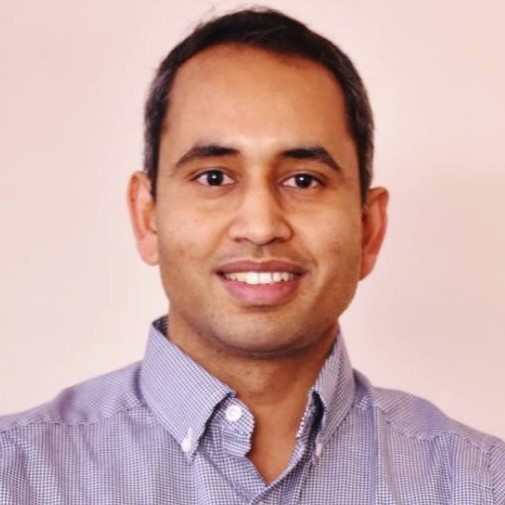 Prabhatchandra Dube, PhD Prabhatchandra Dube, PhD
Research Associate
The University of Toledo
Speaker:
 Ankit Bharat, MD Ankit Bharat, MD
Chief of Thoracic Surgery in the Department of Surgery
Harold L. and Margaret N. Method Professor of Surgery
Professor, Surgery (Thoracic Surgery)
Medicine (Pulmonary and Critical Care)
Northwestern University Feinberg School of Medicine
|
SCW Thompson Room
(second floor)
|
|
10:45 am - 11:00 am
|
Break
|
SCW Lobby
(second floor)
|
|
11:00 am - 11:45 am
|
Catalyzing Collaboration: Transforming Clinical and Translational Research Through Industry and Academic Partnerships
Moderators:
Jennifer Alexander-Brett, MD, PhD
President, CSCTR
Past Chair, AFMR Midwestern Region
Associate Professor of Medicine
Washington University School of Medicine in St. Louis
 Jeffrey Salomon, MD, MBA Jeffrey Salomon, MD, MBA
Councilor, CSCTR
Past Chair, AFMR Midwestern Section
Pediatric Critical Care Medicine Physician
University of Nebraska Medical Center
Speakers:
 Debbie Leah Buonomo, PharmD Debbie Leah Buonomo, PharmD
Medical Science Liaison
Verona Pharma
 Dasan Thambiayya, PhD Dasan Thambiayya, PhD
Senior Medical Science Liaison
Genentech
|
SCW Thompson Room
(second floor)
|
|
11:45 am – 12:45 pm
|
Lunch
|
SCW Thompson Room
(second floor)
|
|
12:45 pm – 1:45 pm
|
CSCTR John B. Hickam Endowed Lecture
The John B. Hickam Endowed Lectureship was established in 1981 to honor John Hickam, President of CSCR in 1970. At the time of his death in 1970, Dr. Hickam was Chair of Medicine at Indiana University School of Medicine. Dr. Hickam was internationally recognized in medical research, particularly in the areas of lung, heart, and circulatory system diseases. Dr. Hickam was also responsible for administering research programs, which established the Indiana University School of Medicine as one of the nation’s primary centers for research in heart disease.
Improving the World Through Academic Medicine
A brief personal background and a discussion of challenges, strategies and opportunities for emerging physician-scientists.
Moderator:
 Steven Dudek, MD, ATSF Steven Dudek, MD, ATSF
Past President, CSCTR
Chief, Pulmonary, Critical Care, Sleep and Allergy
Dean E. Schraufnagel Professor of Medicine
Department of Medicine, Division of Pulmonary, Critical Care, Sleep and Allergy
University of Illinois Chicago
Speaker:
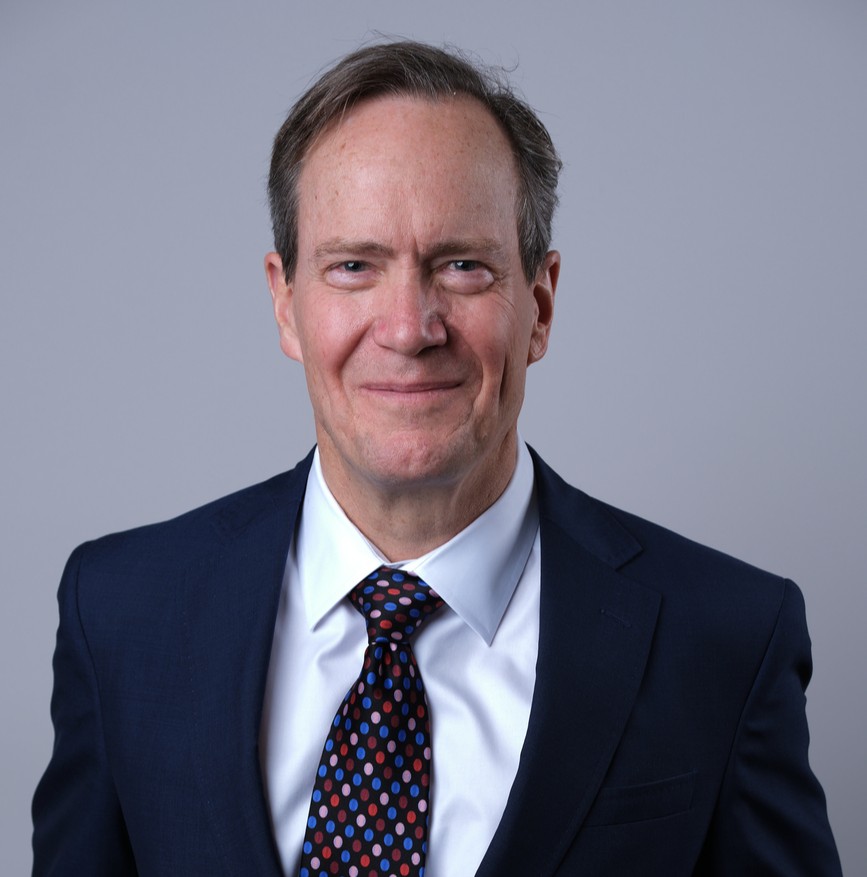 Mark E. Anderson, MD, PhD Mark E. Anderson, MD, PhD
Dean of the Biological Sciences Division
Dean of the Pritzker School of Medicine
Executive Vice President for Medical Affairs
Paul and Allene Russell Professor Department of Medicine
The University of Chicago Medicine
|
SCW Thompson Room
(second floor)
|
|
1:45 pm - 2:00 pm
|
Break
|
SCW Lobby
(second floor)
|
| |
*Concurrent Sessions:
|
|
|
*2:00 pm – 3:15 pm
|
Translational Science Oral Session I: Pulmonary, Critical Care, Cardiology, and Renal
Moderator:
 Laneshia Karee Tague, MD, MSCI Laneshia Karee Tague, MD, MSCI
Chair-Elect, AFMR Midwestern Section
Assistant Professor of Medicine
Washington University School of Medicine
Oral Abstract Presenters:
|
SCW Room 206
(second floor)
|
|
2:00 pm
|
RADIATION-INDUCED LUNG INJURY IS MEDIATED BY ENDOTHELIAL TRPM2
Weiguo Chen
University of Illinois Chicago
|
|
2:12 pm
|
A STRUCTURAL AND FUNCTIONAL ANALYSIS OF TREM2/IL-34 INTERACTIONS IN INFLAMMATORY DISEASE SETTINGS
Joshua Wydra, BS
Washington University in St. Louis
|
|
2:24 pm
|
ENGINEERING A MULTICELLULAR 3D HUMAN AIRWAY ORGANOID PLATFORM TO MODEL REPAIR AND REGENERATION
Sohini Dutt, PhD
Washington University in St. Louis
|
|
2:36 pm
|
LONGITUDINAL STABILITY OF A PARTIALLY MIGRATED AMULET DEVICE: IMPLICATIONS FOR SURVEILLANCE AND NON-INTERVENTIONAL MANAGEMENT
Rayaan Rauf, BA
University of Missouri Kansas City
|
|
2:48 pm
|
AEROSOLIZED CYANOBACTERIAL HARMFUL ALGAL BLOOM TOXINS INDUCE HEIGHTENED PRO-INFLAMMATORY RESPONSES AND DIFFERENTIAL GENE EXPRESSION IN HEALTHY AND ASTHMATIC HUMAN AIRWAY CELLS
Bivek Timalsina, MSc
University of Toledo
|
|
3:00 pm
|
ATTENUATION OF MRSA-INDUCED LUNG ENDOTHELIAL INJURY BY YAP SIGNALING
Alison Ha, PhD
University of Illinois Chicago
|
| *2:00 pm – 3:15 pm |
Translational Science Oral Session II: Endocrine/Metabolism, Gastroenterology, Geriatrics, Health Disparities, Environmental Factors
Moderator:
 Suthat Liangpunsakul, MD, MPH Suthat Liangpunsakul, MD, MPH
Past President, CSCTR
Professor of Medicine
Indiana University School of Medicine
Oral Abstract Presenters:
|
SCW Room 213
(second floor)
|
|
2:00 pm
|
A MODEL FOR IMPLEMENTING PSYCHOTHERAPY FOR INDIVIDUALS WITH COGNITIVE IMPAIRMENTS
Adrienne L. Johnson, PhD
University of Wisconsin
|
|
2:11 pm
|
PDK4-DRIVEN MITOCHONDRIAL FRAGMENTATION PROMOTES MITOCHONDRIAL DYSFUNCTION AND PROGRESSION OF ALCOHOL-ASSOCIATED LIVER DISEASE
Themis Thoudam, PhD
Indiana University
|
|
2:22 pm
|
GLP1 RECEPTOR AGONISTS AND RISK OF ATRIAL FIBRILLATION IN ADULTS WITH OBESITY OR TYPE 2 DIABETES
Grant Nelson, BA
University of Toledo
|
|
2:33 pm
|
USING HUMAN-CENTERED DESIGN METHODS TO UNDERSTAND WHY SOME SCHOOLS DO NOT STOCK INHALER
Andrea Pappalardo Wlochowicz, MD
University of Illinois Chicago
|
|
2:44 pm
|
GUT-DERIVED MICROBIAL UREMIC TOXINS INDUCE VASCULAR REMODELING: A POTENTIAL DRIVER OF ARTERIOVENOUS FISTULA FAILURE
Chelsey Wood, MD
University of Chicago
|
|
2:55 pm
|
COVID-19 MRNA VACCINATION AND SURVIVAL IN LUNG CANCER: AN IMMUNE MODULATION HYPOTHESIS
Caroline R. Daggett, MD Candidate
University of Toledo
|
|
3:05 pm
|
COMPREHENSIVE ANALYSIS OF THE NEBRASKA (NE) PEDIATRIC MEDULLOBLASTOMA COHORT
Zahraa W. Alsafwani, MSc
University of Nebraska
|
| *2:00 pm – 3:15 pm |
Translational Science Oral Session III: Hematology/Oncology, Rheumatology/Immunology, and Neurology
Moderator:
 Attaya Suvannasankha, MD Attaya Suvannasankha, MD
Professor of Clinical Medicine
Indiana University School of Medicine
Oral Abstract Presenters:
|
SCW Thompson Room
(second floor)
|
|
2:00 pm
|
EXPLOITING IRON OVERLOAD TO ACTIVATE FERROPTOSIS AND POTENTIATE CISPLATIN RESPONSE IN PEDIATRIC GROUP 3 MEDULLOBLASTOMAS
Sidharth Mahapatra, MD, PhD
University of Nebraska Medical Center
|
|
2:11 pm
|
ENHANCING IMMUNOTHERAPY EFFICACY IN MYELOMA WITH A DUAL ACTION MITOCHONDRIAL TOXIC PEPTIDE THAT OVERCOMES RESISTANCE AND INDUCES TUMOR CELL DEATH
Smriti Gurung, PhD
Indiana University
|
|
2:22 pm
|
POST-TRANSLATIONAL MODIFICATION OF HUMAN IL-33 IMPACTS CYTOKINE INFLAMMATORY ACTIVITY
Morgan Payne, BS
Washington University School of Medicine
|
|
2:33 pm
|
ENGINEERING EVS TO PROMOTE RESOLVIN PRODUCTION FOR COPD AND ASTHMA THERAPY
Omar Osorio
Washington University School of Medicine
|
|
2:44 pm
|
UPREGULATION OF THE ADAPTIVE IMMUNE RESPONSE AND RISK OF FUTURE BREAST CANCER IN PATIENTS WITH LOBULAR CARCINOMA IN SITU (LCIS)
Jordan Petrick
University of Wisconsin-Madison
|
|
2:55 pm
|
FUNCTIONAL SPECIALIZATION OF TUMOR-EDUCATED PLATELETS IN GLIOBLASTOMA
Selah McKenney, MD Candidate
University of Toledo
|
|
3:05 pm
|
DIAGNOSIS OF RENAL CANCER USING IMAGING AND ARTIFICIAL INTELLIGENCE
Julia H. Miao, MD
University of Chicago
|
|
|
3:15 pm - 3:30 pm
|
Break
|
SCW Lobby
(second floor)
|
|
3:30 pm - 4:30 pm
|
AFMR Keynote Presentation
Moderator:
 David Kennedy, PhD David Kennedy, PhD
Past President, CSCTR
Professor of Medicine
University of Toledo College of Medicine and Life Sciences
Syed Bukhari, MD, MSc
Chair, AFMR Midwestern Section
Department of Cardiovascular Medicine
Johns Hopkins University
Speakers:
 Craig M. Jarrett, MD, MBA, MS Craig M. Jarrett, MD, MBA, MS
Cardiothoracic Surgeon, Clinical Informaticist & Physician Investigator
University Hospitals
A CTSA perspective on how to interface clinical informatics and data science training
This presentation will provide a practical overview of how Clinical and Translational Science Award (CTSA) Programs can help bridge the gap between clinical informatics and data science training to support modern clinical research. As healthcare increasingly generates vast amounts of electronic health record (EHR) data, researchers must develop new skills and collaborative models to effectively leverage these data for scientific discovery.
Drawing on real-world experiences within a CTSA environment, this session will discuss how clinicians, informaticians, and data scientists can work together to design and execute database-driven research. The presentation will highlight the growing role of large-scale, aggregated EHR data platforms, such as Epic Cosmos and TriNetX, that allow researchers to rapidly explore clinical questions across millions of patients using de-identified data. These platforms can significantly reduce the time, cost, and logistical barriers traditionally associated with clinical research while enabling rapid hypothesis generation and population-level analyses.
Participants will learn how training programs within CTSA institutions can help clinicians develop the foundational skills needed to interface with these data platforms and collaborate effectively with informatics and data science experts. The talk will emphasize practical lessons learned from database-based studies, including how to identify appropriate research questions, understand the strengths and limitations of EHR-derived data, and design studies that align with the capabilities of modern data platforms.
Finally, the session will discuss the importance of interdisciplinary collaboration—often described as a “three-legged stool” of clinical domain expertise, informatics/data science expertise, and research methodology—to successfully translate large-scale clinical data into meaningful scientific insights and improved patient care. Overall, the presentation will provide attendees with a pragmatic CTSA-focused perspective on how to integrate clinical informatics and data science training to empower the next generation of clinical researchers.
 Robert Erne McCullumsmith, MD, PhD, FACNP Robert Erne McCullumsmith, MD, PhD, FACNP
Professor and Chair
Research Director of the Neurosciences Institute in the College of Medicine & Life Sciences
The University of Toledo
Development of a “Data Science Pathway of Excellence" for medical students
Information on the development of a data science pathway of excellence will be presented, including specific curriculum developed, details of electives, and approaches to teaching and learner engagement.
 Hunter Eby Hunter Eby
MD, PhD Candidate
The University of Toledo College of Medicine
Acquisition of Data Sciences skills during medical school and residency- A learners perspective
The rapid expansion of clinical data, electronic health records, and large-scale biomedical databases has created new opportunities for physicians to engage in data-driven research. However, formal training in data science is often limited during medical education. This talk presents a learner’s perspective on acquiring data science skills during medical school and residency. Drawing from personal experiences in clinical research, bioinformatics, and real-world data analysis, the presentation will discuss practical strategies for developing competencies in programming, statistical analysis, and large database research while balancing clinical and academic responsibilities. Particular emphasis will be placed on leveraging available resources, identifying mentorship opportunities, and integrating data science tools into clinically relevant research projects. The goal is to highlight accessible pathways for trainees interested in building data science expertise and to illustrate how these skills can enhance translational research, clinical decision-making, and career development in modern medicine.
|
SCW Thompson Room
(second floor)
|
|
4:30 pm - 4:45 pm
|
Break
|
SCW Lobby
(second floor)
|
|
4:45 pm – 6:15 pm
|
Moderated Poster Discussions and Closing Reception
Jennifer Alexander-Brett, MD, PhD
President, CSCTR
Past Chair, AFMR Midwestern Region
Associate Professor of Medicine
Washington University School of Medicine in St. Louis
Syed Bukhari, MD, MSc
Chair, AFMR Midwestern Section
T32 Cardiology Fellow
Department of Cardiovascular Medicine
Johns Hopkins University
Poster Research Categories
Click on a category to view abstracts.
Case Reports
T0 Research/Science
T1 Research/Science
T2 Research/Science
T3 Research/Science
T4 Research/Science
|
Nursing Event Center
(third floor)
|

